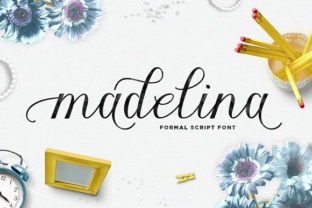
Madelina: A Handwritten Font for Authentic Branding
As a small business owner, you know that your brand is more than just a logo. It is the feeling customers get when they see your packaging, read your social media posts, or walk into your shop. One of the fastest ways to elevate that feeling is through consistent, high-quality typography. This is where Madelina, a handwritten font created by Area Type, becomes an essential tool in your design toolkit. Whether you run a boutique bakery, a handmade candle studio, or a coaching consultancy, the right typeface can bridge the gap between looking amateur and appearing professionally established.
Why Handwritten Fonts Matter for Small Businesses
In a digital world saturated with clean, corporate aesthetics, authenticity stands out. Customers are increasingly drawn to brands that feel human, approachable, and personal. A script font like Madelina offers exactly that warmth. Unlike rigid geometric typefaces, a handwritten font carries the imperfections and flow of actual penmanship. This visual cue tells your audience that there is a person behind the product, not just a faceless corporation.
However, not all script fonts are created equal. Many free options online lack the polish needed for commercial use, resulting in jagged edges or poor readability. Madelina distinguishes itself as a premium font within the Script Amp collection, offering smooth curves and balanced spacing that ensure your brand looks trustworthy rather than messy. When you invest in quality design assets, you signal to your customers that you care about the details, which builds confidence in your products and services.
Practical Applications for Your Brand Identity
The versatility of Madelina allows it to serve multiple roles in your brand identity. Here is how you can integrate this creative font into your daily business operations:
- Packaging Design and Product Labels: If you sell physical goods, your packaging is your silent salesperson. Using Madelina for product names on candle labels, soap wrappers, or food jars adds a touch of elegance. Its legible cursive style ensures that even on small surfaces, the text remains readable while maintaining a decorative flair.
- Social Media Graphics: Consistency on Instagram and Pinterest is key to recognition. Use Madelina for quote overlays, sale announcements, or story highlights. The font’s natural flow makes static images feel dynamic and engaging, encouraging users to stop scrolling and pay attention.
- Website Headers and Banners: In web design, first impressions happen in seconds. Using Madelina for hero section headlines or section dividers can soften a minimalist website layout, making it feel more inviting without sacrificing modern cleanliness.
- Printed Collateral: From business cards to thank-you notes included in shipments, this typeface adds a personal signature effect. It transforms a standard receipt into a memorable customer experience.
Real-World Examples of Madelina in Action
To visualize the impact, consider a few specific business scenarios. Imagine a local café launching a new seasonal menu. Using a heavy sans serif font for the item descriptions ensures readability, but using Madelina for the drink titles and special notes adds a whimsical, artisanal charm that aligns with the cozy atmosphere.
Alternatively, think about a beauty brand focusing on organic skincare. The founder wants to convey purity and gentle care. Pairing Madelina with a light, airy serif font on the box creates a sophisticated, spa-like aesthetic. The handwritten element suggests that the products are crafted with care, reinforcing the brand’s core values.
For service providers, such as wedding planners or life coaches, Madelina works beautifully in logo design. It conveys empathy and personalized attention. When potential clients see this style in your email signature or proposal headers, it subconsciously reassures them that you will handle their needs with a personal touch.
Ensuring Readability Across Platforms
While aesthetic appeal is crucial, functionality cannot be ignored. A common mistake entrepreneurs make is using decorative fonts for body text. Madelina is best utilized as a display font or accent typeface. This means it should be reserved for headlines, short phrases, and logos rather than long paragraphs.
When designing for mobile screens, test your font size carefully. What looks elegant on a desktop monitor might become illegible on a smartphone. Ensure that the strokes of Madelina remain distinct at smaller sizes. For printed materials like flyers or menus, consider the viewing distance. If the text is meant to be read from afar, increase the letter spacing slightly to prevent the cursive connections from blurring together.
Smart Font Pairing Strategies
To maximize the impact of Madelina, pair it with complementary typefaces. The goal is contrast. Since Madelina is expressive and fluid, it pairs best with structured, neutral fonts.
- Pair with a Clean Sans Serif: This is the most modern and versatile combination. A geometric sans serif provides a stable foundation, allowing Madelina to shine as the star attraction. This works well for tech startups or modern boutiques.
- Pair with a Classic Serif: For a more traditional or luxurious feel, combine Madelina with a high-contrast serif font. This combination evokes heritage and quality, ideal for law firms, financial advisors, or high-end retail stores.
Avoid pairing Madelina with other script fonts. Competing handwritten styles create visual clutter and confuse the reader. Stick to one decorative font per design to maintain a clean, professional look.
Licensing and Professional Best Practices
Before implementing Madelina across your entire business, always verify the licensing terms. As a commercial font, it is designed for professional use, but different licenses may apply depending on whether you are using it for digital ads, printed merchandise, or client work. Ensuring you have the correct license protects your business from legal issues and supports the creators who develop these valuable tools.
Finally, test before you commit. Print a sample label, view your social media template on three different devices, and ask a colleague for feedback. Does the font reflect your brand’s personality? Is it easy to read? Does it feel consistent with your other materials? Taking these small steps ensures that Madelina becomes a seamless part of your visual language, helping your business look polished, recognizable, and ready for growth.